







Search Results for: drought-resistant varieties
SL28 Coffee Variety Traceability and Flavor Analysis: From Kenyan Drought-Resistant Breeding to Front Street Coffee's Cherry Tomato-Like Cup Performance
SL28 is one of Africa's most legendary coffee varieties. After being selected in Kenya in the 1930s, it gradually spread to Arabica-growing regions such as Uganda, and in recent years it has traveled even farther to Latin America. It is suited to cultivation at medium to high altitudes; it is drought-tolerant yet susceptible to disease, and its flavor is exceptionally elegant, often with floral notes. Front Street Coffee's Little Tomato coffee beans are precisely a combination of SL28 and SL34, displaying layers of pear, smoked plum, yellow sugar, and more. This article will trace the history of SL28's selection and breeding at the Scott Agricultural Laboratories, sort out its genetic relationship with the Bourbon genome, and introduce specific information about Kenya's Asali processing plant, helping coffee enthusiasts fully understand this variety's origins and development as well as its potential in the cup. [more…]
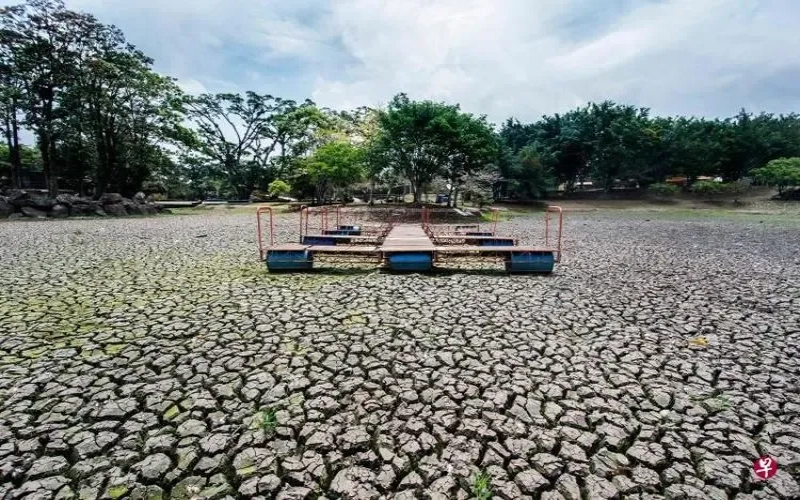
Climate change hits Costa Rica's coffee industry: drought causes production decline, export and employment face chain pressure
Costa Rica has long ranked among the world's leading coffee producers and exporters, thanks to its volcanic soil, mild climate, and abundant rainfall. In recent years, however, persistent high temperatures and drought have been eroding its growing environment. In the Desamparados canton, a key production area in the Central Valley, some estates have seen yields fall by as much as 15%, and production for the 2024/25 harvest season is expected to drop 18% from the previous season. With water shortages during the flowering period, greater susceptibility to disease, aging trees, and labor shortages piling up, export volumes and foreign exchange earnings are coming under pressure. Faced with these challenges, the government has launched a low-carbon coffee program, while research institutions are promoting drought-resistant varieties and adaptive farming methods in an effort to cushion the impact of climate change. [more…]
A Comprehensive Analysis of the Origin, Flavor Characteristics, and Mouthfeel of the SL28 Coffee Variety from Kenya's Kiambu Region
SL28 is one of Africa's most legendary coffee varieties. After being selected in Kenya in the 1930s, it gradually spread to African Arabica-producing regions such as Uganda, and today it has traveled even farther to Latin America. It is suited to cultivation at medium to high altitudes, is highly drought-tolerant yet susceptible to coffee diseases, and offers an elegant cup profile that often features floral notes. Front Street's Little Tomato coffee beans are precisely a combination of SL28 and SL34. This article traces the breeding history of SL28, from the establishment of the Scott Agricultural Laboratories to the discovery of drought-resistant plants in Tanzania, and then to genetic testing that confirmed its kinship with the Bourbon genome. It also presents the specific producing region, altitude, processing method, and flavor description of Front Street's Kenyan Little Tomato, giving you a comprehensive understanding of this ancient and resilient variety. [more…]
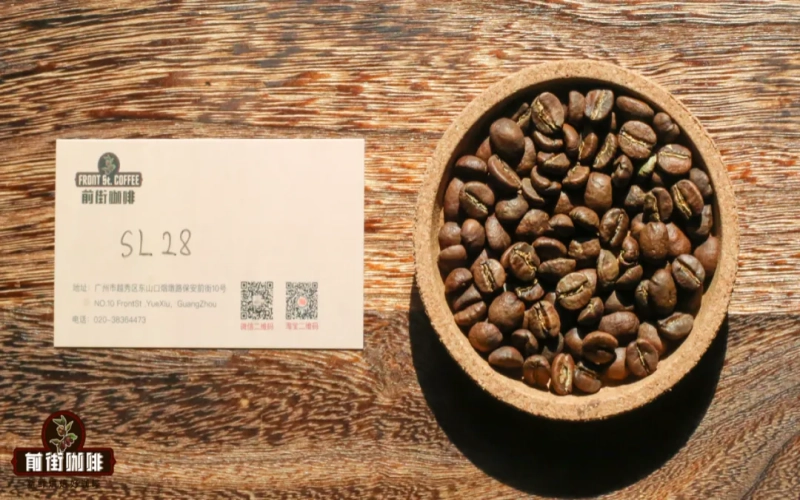
Kenyan Coffee's Grade Positioning and the Origins of Its Tomato Flavor: The Past and Present of the SL28 Variety
Kenyan coffee is world-renowned for its bright acidity and distinctive flavors of dark plum and cherry tomato, and behind this lies a key variety—SL28. This direct descendant of Bourbon, bred by Scott Laboratories in the 1930s, is not only drought-resistant and high-yielding but also boasts outstanding flavor performance, making it the core force behind the creation of the "Kenyan flavor." This article, from the perspective of Front Street, will trace the origins, characteristics, and spread of SL28, analyze the causes of Kenya's unique coffee flavor, and share a brewing guide for Front Street Kenya Asalia, giving you a comprehensive understanding of the charm of this African star bean. [more…]
How Does Climate Change Impact Assam Tea Gardens? Micro-Level Yield Data Reveals the Critical Influence of Short-Term Weather Fluctuations
Assam is the world's largest tea-producing region, contributing one-fifth of global output and half of India's tea, and supporting about 1.2 million workers. Yet disruptions to rainfall and temperature patterns are putting this land under growing pressure—droughts in Africa, intense rainfall erosion in India, and the accelerating melting of Himalayan glaciers are all sounding alarms at the macro level. But what truly affects each tea leaf is often a more micro-level climate variable. A study based on 82 tea gardens spanning 2004 to 2013 reveals how short-term weather fluctuations directly influence yields. This article will walk you through these findings and what adaptive measures tea gardens can take. Front Street Coffee has always paid attention to the long-term impact of climate change in producing regions on the flavor in the cup. [more…]
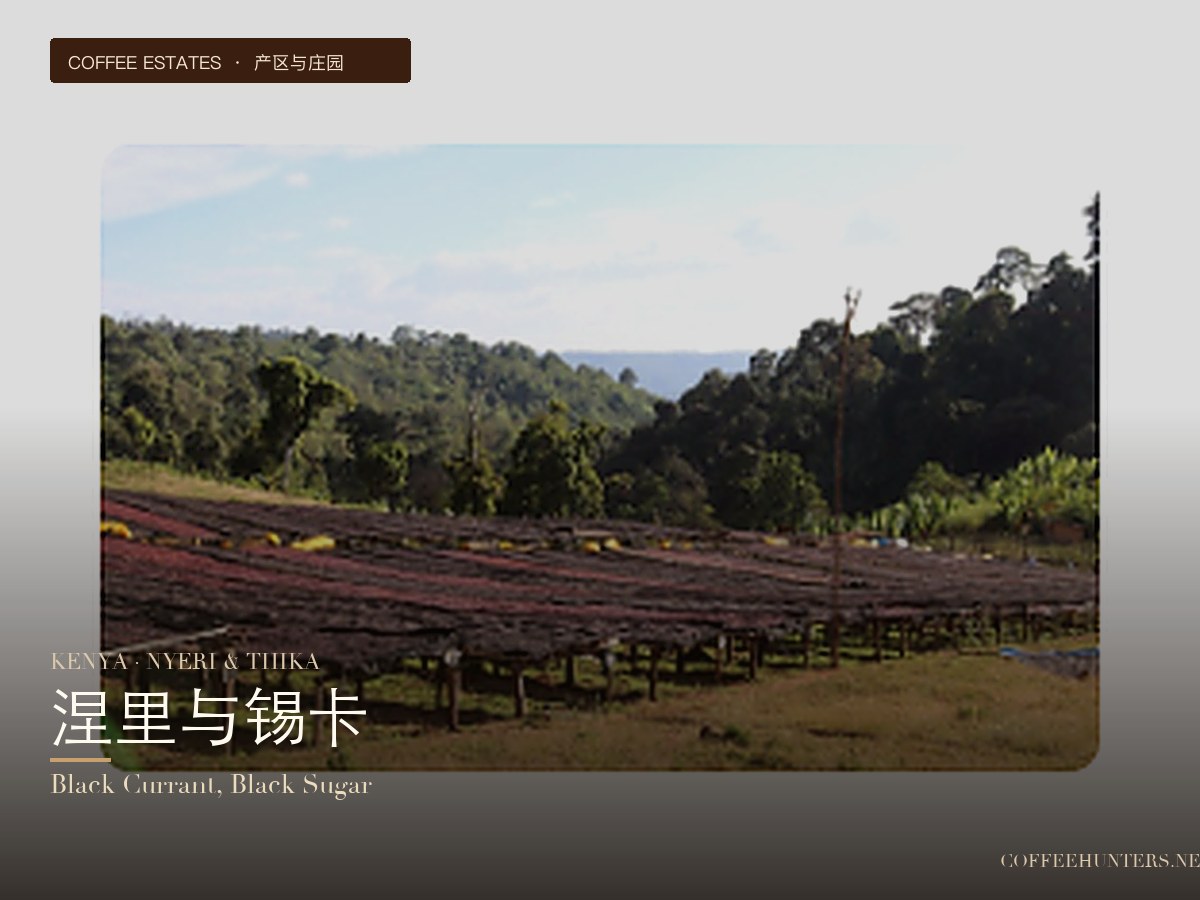
Kenya·Nyeri and Thika: The Bold Acidity of Blackcurrant and Tomato
Kenyan coffee is regarded by the global specialty coffee community as the "benchmark of Africa" for its powerful acidity, full-bodied tartaric acid, and distinctive blackcurrant flavor. This article takes the two major producing regions of Nyeri and Thika as its starting point to provide an in-depth analysis of the ins and outs of Kenyan coffee. [more…]
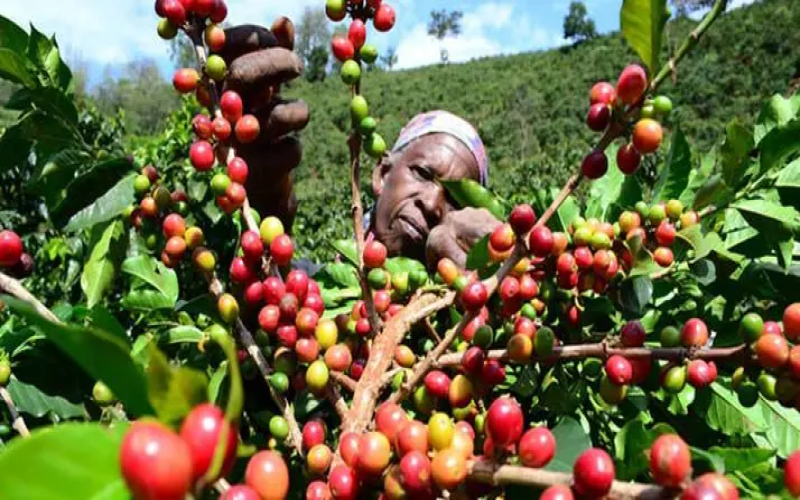
Tanzania's Coffee Industry and Variety Evolution: From KP423 and SL28 to Geisha and the Kilimanjaro Region
Tanzania is located in East Africa, bordering Kenya, Uganda, and several other countries, and its unique climatic conditions provide a diverse environment for coffee cultivation. The history of coffee in the country can be traced back to the 16th century, and today it has developed Typica, Bourbon, Kent, and independently developed disease-resistant varieties. Since its establishment in 2001, the Tanzania Coffee Research Institute (TaCRI) has continued to promote the revitalization of the industry, releasing 23 improved varieties, including KP423. At the same time, Kenya's well-known variety SL28 and Panama Geisha are both inextricably linked to Tanzania. Front Street Coffee has also selected washed beans from the Kilimanjaro volcanic region in the northern highlands, presenting a tea-like flavor with citrus, berry, and honey notes. [more…]
What is French Mission Bourbon coffee? Flavor and brewing analysis of Kenyan French Mission coffee
Kenya is a major coffee-producing country in East Africa, adjacent to Ethiopia, the birthplace of coffee. In 1893, coffee was first introduced to Kenya via Brazil, and one of the varieties, known as "French Mission Bourbon," was brought from the island of Bourbon by a French diplomatic mission. Unlike the later laboratory-cultivated SL28 and SL34, French Mission Bourbon retains the original flavor of native Bourbon. This article will review the historical context of Kenyan coffee, the origins and characteristics of French Mission Bourbon, and introduce Front Street Coffee's Kenya Hania Estate French Mission Bourbon, along with suitable brewing parameters, to help coffee enthusiasts gain a comprehensive understanding of this unique bean variety. [more…]
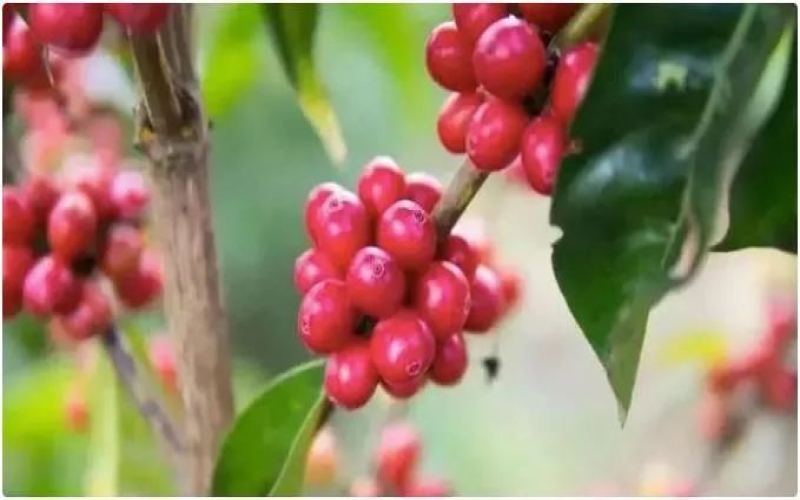
An In-Depth Analysis of the Kenyan Coffee Industry's Origins, Producing Regions, Bean Grading System, and SL28/SL34 Varieties
Kenya is located in East Africa, where the equator and the East African Rift Valley meet. Though neighboring Ethiopia, it has taken a completely different path in coffee development. From the introduction of coffee seeds by French missionaries in 1893, to large estate cultivation during the British colonial period, and then to the establishment of a grading system and auction system in the 1930s, Kenyan coffee gradually formed its unique grading standard centered on bean size and quality. Among the country's 14 producing regions, Nyeri, Kirinyaga, Murang'a, Kiambu, and Thika are the most well-known. The two iconic varieties SL28 and SL34, originating from Scott Laboratories' systematic selection of 42 coffee trees, remain the soul of Kenyan specialty coffee to this day. This article will also introduce the Thika AA TOP washed beans obtained by Front Street Coffee and their pour-over performance. [more…]
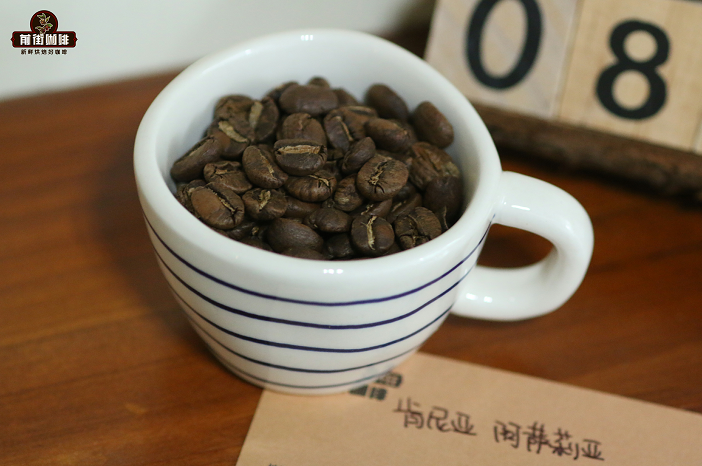
Kenya Coffee Characteristics | What Coffee Varieties Are Grown in Kenya? How to Make Pour-Over Black Coffee with Washed Kenya AA, and How to Describe the Coffee Flavor?
Front Street Coffee: Kenya Asaliya Coffee Beans Region: Kenya, Thika Region, Asali Processing Plant Altitude: 1550-1750m Processing Method: Washed Variety: SL28 & SL34 Flavor: Snow Pear, Smoked Plum, Yellow Sugar [more…]
An Analysis of Kenya's 72-Hour Refined Washed Processing Method: A Full Overview of Front Street Coffee Beans' Flavors and Producing Regions
Kenyan coffee is famous for its bright, complex fruity flavors, and its unique 72-hour refined washed processing method (K72) is the core craft that shapes this flavor profile. Starting from the tasting notes of Front Street Kenyan coffee, this article provides an in-depth introduction to the geography and cultural background of the Kirinyaga region, the operations of the Kiangombe processing plant, and the origins of the two classic varieties SL-28 and SL-34. At the same time, it breaks down the Kenyan-style washed cycle fermentation process in detail, helping you fully understand every key step of this East African coffee bean from origin to cup. [more…]
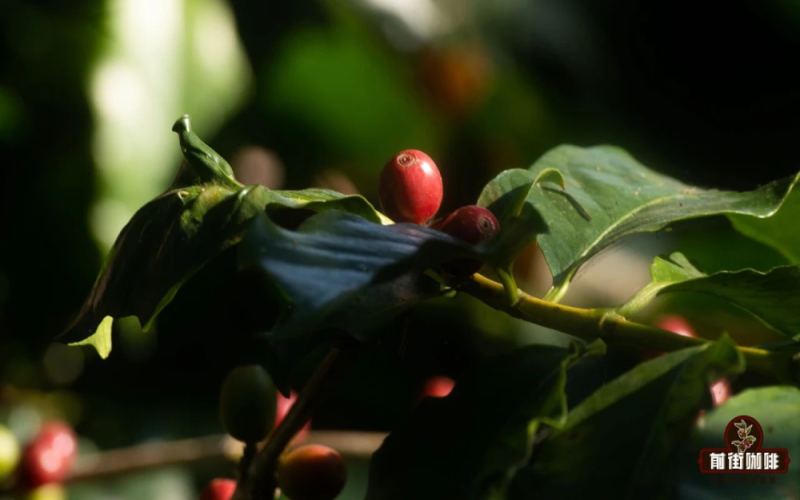
Arabica Coffee|What types of Arabica coffee beans are there? Recommendations for good-tasting, affordable specialty Arabica pour-over coffee beans
Arabica refers to a coffee variety. According to Front Street Coffee, there are currently three major coffee varieties in the world: Arabica, Robusta, and Liberica. Among them, Arabica coffee beans have the best flavor performance, so they are used to make specialty coffee. At the same time, its caffeine content [more…]
Flavor Analysis and Pour-Over Recommendations for El Salvador Olive Tree Estate Washed Kenya SL28 Coffee Beans
Front Street Coffee has recently added a Kenyan SL28 washed bean from El Salvador's Olive Tree Estate, a bean closely linked to the 2017 WBC champion bean. Olive Tree Estate is located near a volcanic national park, at an altitude of 1,800 to 1,950 meters, with fertile volcanic soil and a rich ecological shade system, and has obtained organic and Rainforest Alliance certifications. The SL28 variety is known for its excellent sweetness, balance, and citrus and smoked plum notes. This article will introduce the estate's background, variety characteristics, washed processing flow, roasting curve analysis, and cupping flavor performance, along with Front Street's recommended pour-over parameters for coffee lovers' reference. [more…]

Where Does the Little Tomato Flavor in Kenyan Coffee Come From? A Complete Analysis of Variety, Terroir, and the Washed Process
The vivid little tomato-like acidity in Kenyan coffee often surprises and fascinates those encountering it for the first time. Why does Kenyan coffee have such a pronounced tomato aroma and bright fruity acidity? Behind this lies a combined effect of four factors: variety, growing environment, processing method, and roasting. Starting from everyday conversations at Front Street's shop, this article analyzes the terroir conditions of Kenya's producing regions, the two classic varieties SL28 and SL34, and the famous K72 washed processing method. It also shares the complete brewing parameters for Front Street's "Kenya·Little Tomato" beans, guiding you to systematically understand the origins of Kenyan coffee's flavor and key points for tasting. [more…]
Guatemala Antigua La Flor del Café Specialty Coffee: A Flavor and Aroma Analysis of Red Wine Finish with Tobacco and Spice Notes
Guatemala Antigua La Flor del Café specialty coffee beans are renowned worldwide for their red wine aftertaste, tobacco and spice aromas, and velvety, full-bodied mouthfeel. This article will provide an in-depth analysis of this coffee's flavor characteristics and aromatic layers, while also offering an overview of Guatemala's seven major coffee-producing regions. It will introduce how the unique geographical and historical background of the Antigua region imparts such captivating flavors to the coffee. The article will also mention Front Street Coffee's recommendations for Guatemalan coffee, giving you a comprehensive understanding of this specialty coffee that combines elegant acidity with rich spice notes. [more…]
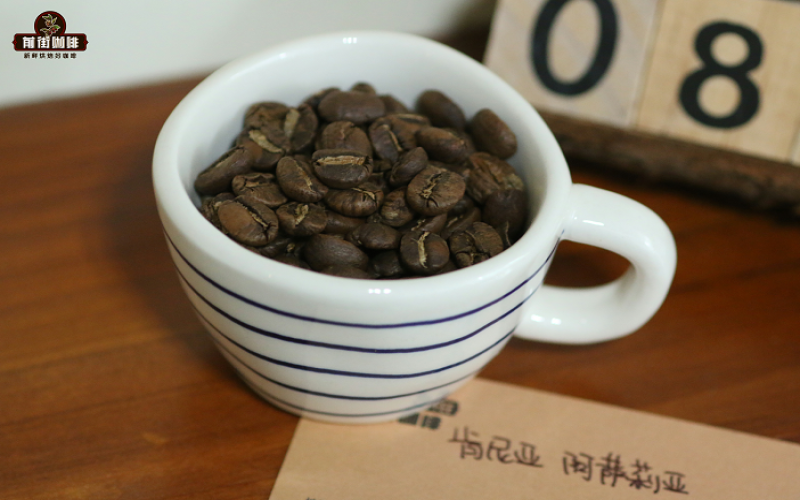
Kenyan Coffee Bean Flavor Characteristics and Pour-Over Parameters Explained: SL28 Variety, K72 Washed Processing, and the Starbucks Kenya Story
Kenyan coffee is renowned for its vivid fruity notes and juicy acidity, making it one of the most distinctive African origins in the minds of many coffee enthusiasts. This article focuses on the Kenya Asalia coffee beans selected by Front Street Coffee, systematically reviewing its origin terroir, variety heritage (SL28 and SL34), and the unique Kenyan-style 72-hour fermented washed process, while also sharing specific roasting curves and V60/cake cup brewing recipes. At the same time, by incorporating the historical background of Starbucks Kenya coffee beans, it helps readers fully understand the appeal of this bean from the dimensions of flavor, processing method, and brewing details. [more…]
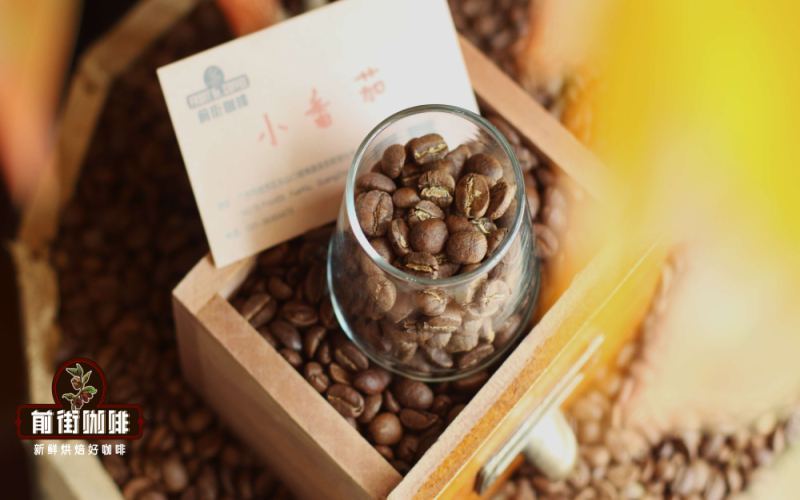
Comparison of Washed and Natural Processing Methods for Kenyan Coffee: Flavor and Mouthfeel Differences, Plus an Analysis of Front Street Coffee's Little Tomato Bean
Kenyan coffee is renowned worldwide for its bright fruit notes and multi-layered mouthfeel, and the processing method is precisely the key that shapes its flavor profile. This article focuses on Front Street Kenya · Cherry Tomato coffee beans, first outlining the geography and climate of Kenya's producing regions along with the characteristics of the SL28 and SL34 varieties, then delving into the key points of the Kenyan-style 72-hour fermentation washed process (K72), and comparing it one by one with natural processing in terms of operational methods, drying duration, and flavor performance, helping coffee enthusiasts understand how the two processing methods impart vastly different aromas and tastes to coffee beans, while also retaining flavor references for natural beans such as Front Street Red Cherry, Hacienda La Esmeralda Red Label, and Gesha Village Gold Label. [more…]
Kenya Asalia Washed Coffee Beans Pour-Over Guide: Flavor Layers and K72 Processing Method Explained
Kenyan coffee is renowned for its vibrant fruit acidity and multi-layered flavors, and the Asalia washed beans launched by Front Street Coffee are a typical representative. This coffee comes from the Asali processing plant in the Thika region, at an altitude of 1,550 to 1,750 meters, with varieties SL28 and SL34, using the Kenyan-style 72-hour fermentation washed method. The flavor presents a complex tonality of snow pear, smoked plum, yellow sugar, plum, and cherry tomato. This article will guide you through the background of the Kenyan region, the origins of the SL varieties, and the K72 processing technique, and share Front Street's roasting curve and two brewing methods—V60 and cake cup—comparing the flavor performance under different drippers to help you fully unleash this coffee's juicy feel and floral finish. [more…]
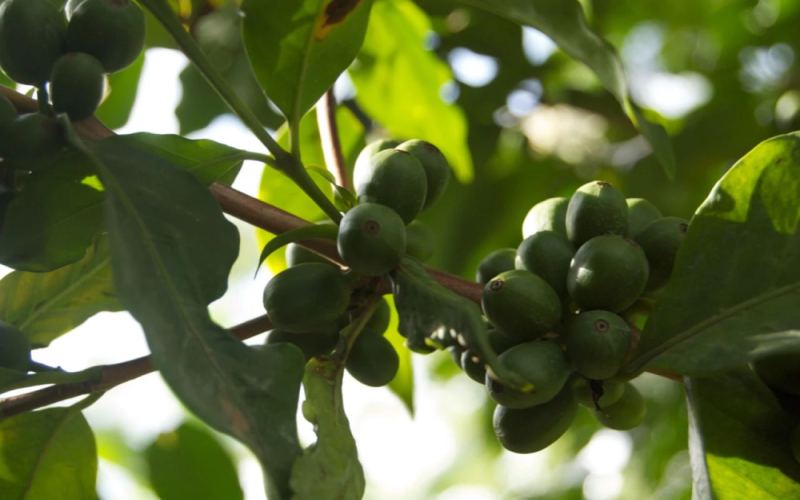
A Complete Guide to Kenyan Coffee Flavors: From SL28 and SL34 Varieties to the Origin Secrets of the K72 Washed Process
Although Kenya is adjacent to Ethiopia, the birthplace of coffee, its commercial coffee cultivation did not begin until the early twentieth century. Yet in just a few decades it has risen to become a benchmark of the world's specialty coffee. The equator runs through it, the East African Rift Valley cuts north to south, and the volcanic highlands at 1,600 to 2,100 meters provide uniquely favorable growing conditions for Kenyan coffee. From the perspective of Front Street Coffee, this article reviews the overview of Kenyan coffee cultivation, the distribution of its six major producing regions, the origins and flavor differences of the representative varieties SL28 and SL34, and the K72 washed processing method that makes its berry notes especially vivid, along with the brewing parameters and flavor description of Front Street's own roasted Kenyan Asalia coffee beans, to give you a comprehensive understanding of this origin known for its bold acidity and rich fruity aroma. [more…]
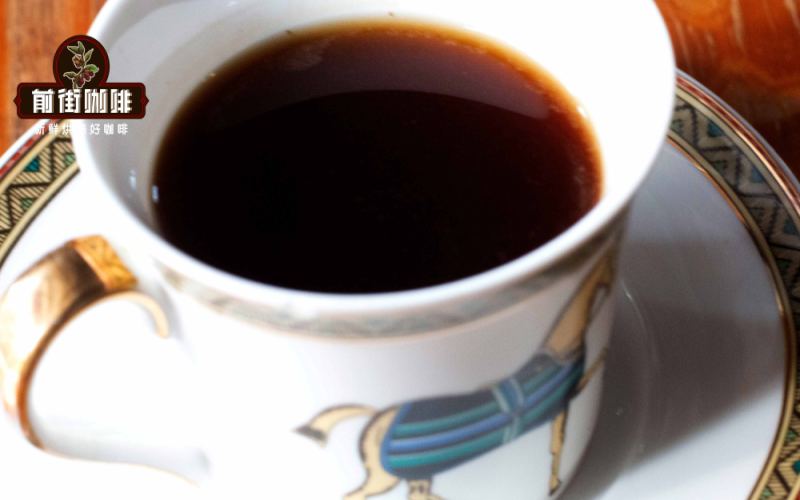
The Fruit-Acid Code of Kenyan Coffee: A Breakdown of Varieties, Origins, K72 Washing, and Roasting Key Points
Kenyan coffee is renowned for its intense acidity and fruity notes reminiscent of smoked plum and cherry tomatoes, making it a favorite among specialty coffee enthusiasts. Starting from the flavor profile of Front Street Kenya coffee, this article systematically reviews the cultivation history of Kenyan coffee, its main producing regions, the characteristics of the SL28 and SL34 varieties, and how the famous K72 washing process shapes its bright acidity. It also introduces roasting and brewing recommendations for Front Street Little Tomato coffee beans, giving you a comprehensive understanding of why Kenyan coffee is so rich in fruity acidity. [more…]